Who Gets to Tell the World Cup Story?
By Rylee McClain, Culture Correspondent
The Creative Pulse
What’s happening in culture, creativity, and storytelling right now.
The FIFA World Cup has always had a familiar media formula: broadcasters call the match, analysts break down the result, and headlines tell fans what happened next.
This year, FIFA is formally making room for another kind of storyteller. Through partnerships with YouTube and TikTok, FIFA has expanded creator access around the 2026 tournament, opening the door for digital creators to document fan culture, host-city moments, behind-the-scenes experiences, and the human stories surrounding the games.
The World Cup is often experienced through diaspora: families rooting for a homeland, communities gathering around a flag, and young fans learning what a national team means from the people around them. Those are stories that deserve more than a quick cutaway shot between plays.
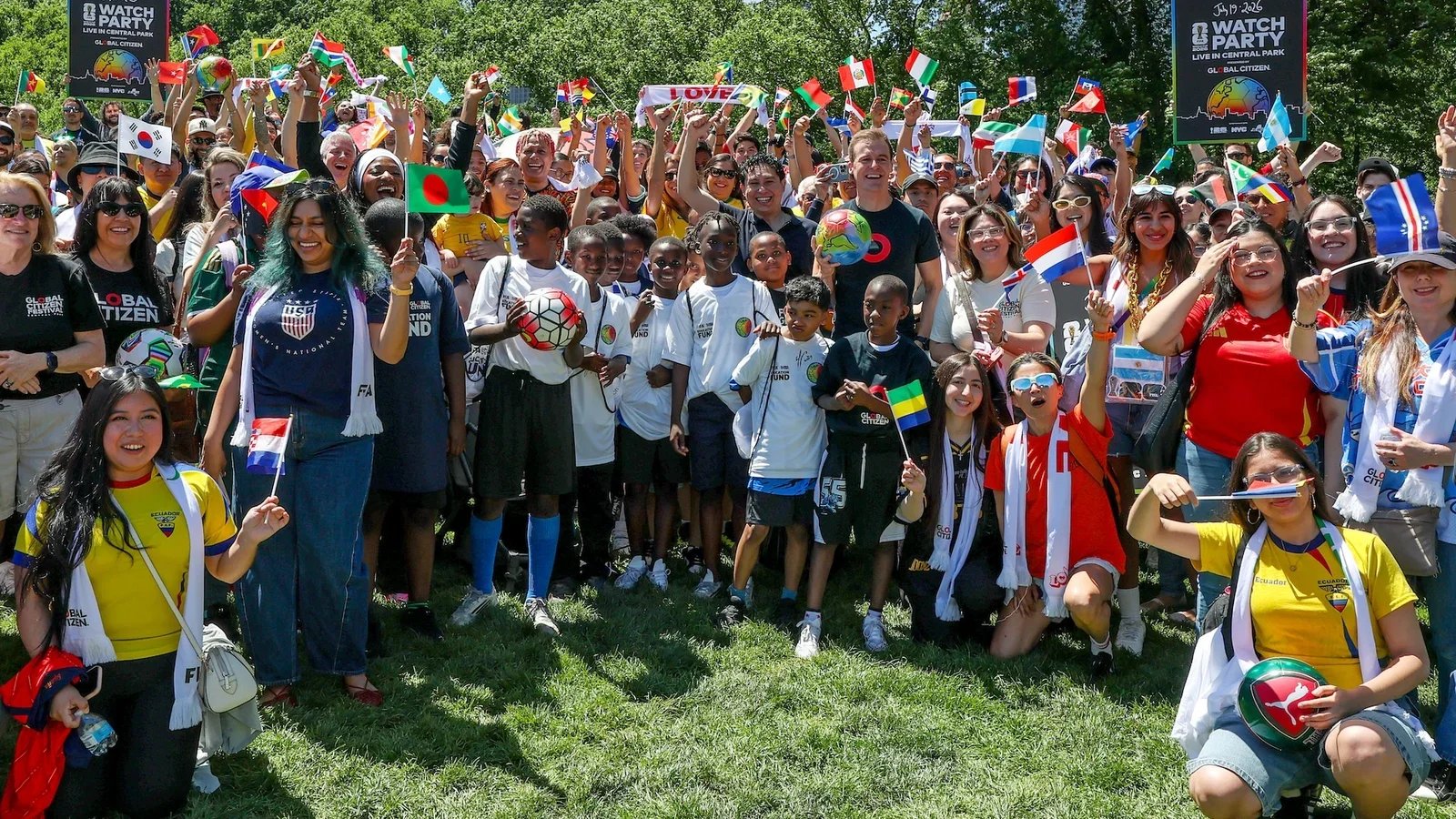
Photo credit: Getty Images for Global Citizen
That is why the growing role of creators matters. The match tells one story, the people around it tell the rest.
Beyond the Screen
A deeper look at why the story matters and what it reveals about the world around us.
Traditional sports coverage still has a role creators cannot replace. Broadcasters and journalists report what happened, explain the match, provide historical context, and hold leagues, teams, and institutions accountable. A creator with a phone is not automatically a journalist, and personality is not a substitute for reporting.
But traditional coverage also has limits. A broadcast can explain a scoreline, but it cannot always show what a win means inside a neighborhood watching thousands of miles away. It may not capture the food, language, family traditions, fashion, music, and pride that turn a match into a cultural moment for the people watching it.
That is where creators can add something valuable. They document watch parties, street celebrations, travel, local food, family reactions, and the details that make a tournament feel personal rather than distant. Through livestreams, watch-alongs, and short-form coverage, they can bring fans into the emotion around the match in real time, especially younger audiences who want interaction alongside analysis.
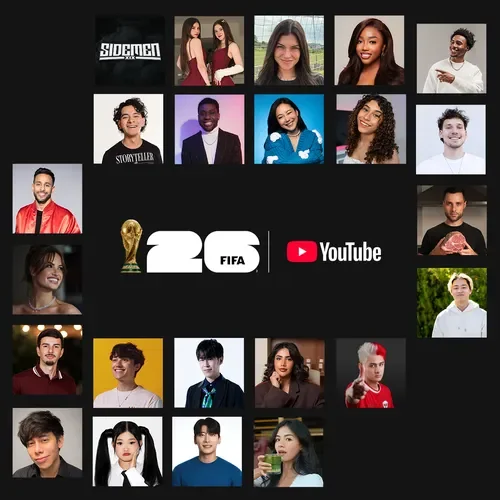
YouTube creator roster for FIFA World Cup 2026
The purpose is not to replace the people calling the game. It is to widen the frame around it.
For decades, access to global sporting events was concentrated among major networks, credentialed journalists, and traditional media outlets. FIFA’s creator partnerships show that the definition of coverage is expanding. The people shaping how audiences experience the World Cup are no longer limited to those sitting behind a broadcast desk. They also include people who understand the communities watching, speak their languages, and recognize the moments that will matter long after the final whistle.
That is especially meaningful at a tournament hosted across the United States, Canada, and Mexico, where many fans carry connections to more than one country. A fan in Chicago may be rooting for the United States while celebrating Mexico, Nigeria, Jamaica, or another place their family calls home. The World Cup makes room for all of those identities at once.
Rylee’s Rule
Every story has something to teach creatives. Find it.
The World Cup is showing that expanding access does not have to lower the standard for storytelling. It can make the story more complete.
The strongest coverage still needs facts, context, and accountability. But it also needs people who can recognize the meaning behind a moment, not just the moment itself.
When the world is watching one game through hundreds of different cultures, one broadcast can never tell the whole story.
Question to Consider: If the World Cup belongs to the world, should the story of it be told by more than the people traditionally given a press pass?