The Future of Storytelling Isn't About Talent. It's About Access.
BY: Rylee McClain
Hollywood is paying attention to a new generation of filmmakers, and they didn't come from traditional film schools or studio systems.
20-year-old, Kane Parsons and 26-year-old, Curry Barker recently became two of the most talked-about names in entertainment after their low-budget horror films, Backrooms and Obsession, found massive success at the box office. Parsons, who built an audience through his viral YouTube horror series, became the youngest filmmaker to debut a film at No. 1 in North America with Backrooms. Barker's Obsession, produced for less than $1 million, has become one of the year's biggest surprise hits. Both creators started online before making their way to the big screen.
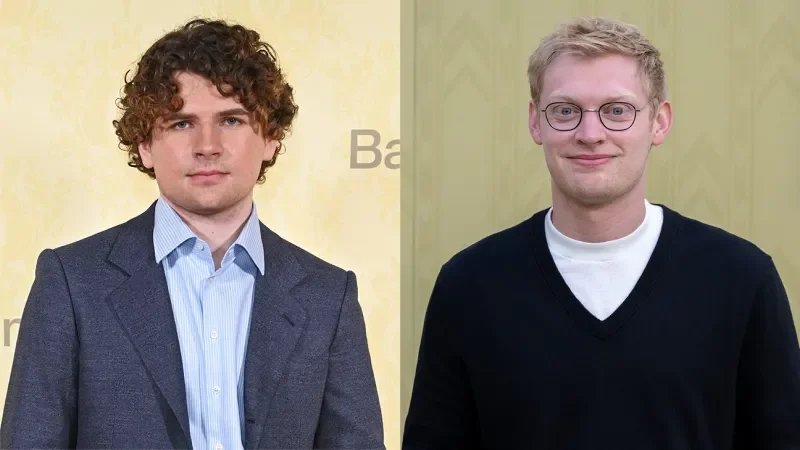
Kane Parsons (left) Curry Barker (right)
Their success has sparked conversations throughout Hollywood about the future of filmmaking and where the industry's next generation of storytellers will come from.
The Creative Pulse
What's happening?
At first glance, the story seems simple: two YouTubers became successful filmmakers. However, that interpretation misses the bigger picture.
The most interesting part of this story isn't that Parsons and Barker are talented, Hollywood has never had a shortage of talented people. Communities across the country are filled with aspiring filmmakers, writers, artists, entrepreneurs, and creators with the ability to do great work.
The question is not whether talent exists, the question is who gets access to opportunities.
For decades, entering the film industry often required expensive equipment, industry connections, geographic proximity to major entertainment hubs, or access to institutions that could help open doors. While those barriers still exist, platforms like YouTube have fundamentally changed who gets to participate.
Parsons didn't need a studio executive to discover his ideas before building an audience. Barker didn't need a major production company to prove people were interested in his work. They were able to develop their skills, experiment creatively, and connect directly with viewers long before Hollywood took notice.
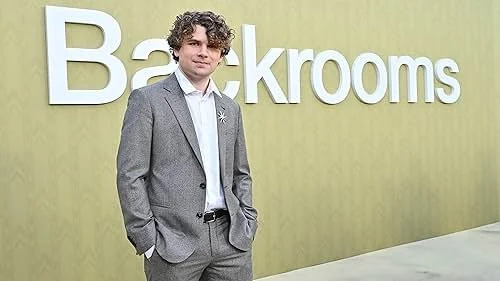
Kane Parsons
What changed wasn't talent, what changed was access.
At its core, that's what organizations like Creative Cypher are working to address. The goal isn't to wait for a handful of gatekeepers to decide which stories deserve to be told. It's to create pathways for creators to develop their craft, build community, and gain exposure without needing one influential person to determine whether their work has value.
Technology has made it possible for more people to create, distribute, and market their work than ever before. As a result, audiences are discovering creators who may never have been given an opportunity under the traditional system.
This shift extends far beyond film. In many industries, success is often attributed solely to intelligence, skill, or work ethic. While those qualities matter, access frequently determines who gets the chance to demonstrate those abilities in the first place. Access to information, mentorship, networks, resources, and opportunities can dramatically shape the trajectory of a person's career.
Parsons’s and Barker’s success raises an important question: How many talented creators never get the same opportunity to be discovered?
Beyond the Screen
What's the bigger impact?
The success of these filmmakers signals something larger than a box office trend. It suggests that industries are becoming more open to discovering talent in unconventional places.
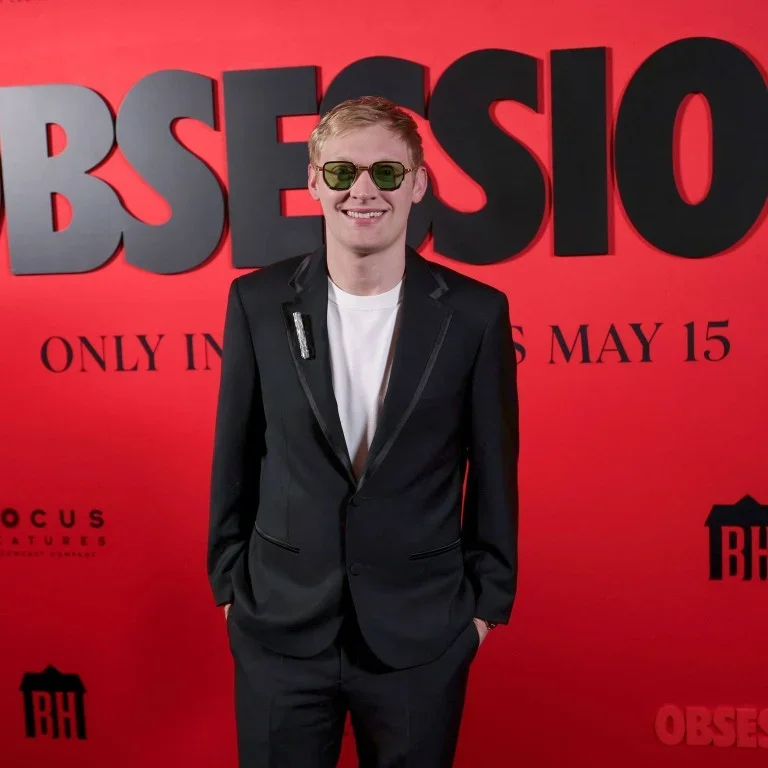
Curry Barker
For creators, this represents a significant shift. Audiences now have greater influence over which stories gain traction, and creators have more tools available to build careers on their own terms.
That doesn't mean access is equal. Many barriers still exist. However, stories like these demonstrate what can happen when more people are given the opportunity to showcase their work.
Rylee's Rule:
Every story has something to teach creatives, just find it.
The lesson from Parsons and Barker isn't that creators should try to become YouTubers. It's that talent alone is rarely enough. The more access we create for filmmakers, artists, entrepreneurs, and storytellers, the more likely we are to discover voices that might otherwise go unheard.