The Box Office Is Back. So Why Aren't Audiences?
BY: Rylee McClain
The movie industry appears to be making a comeback, but the full picture is more complicated than the headlines suggest. As audiences become more selective about how and where they experience films, the conversation is shifting from ticket sales to something much bigger: creating experiences that people can't find anywhere else.
The Creative Pulse
What's happening in film, television, and the creative industry right now.
Hollywood has a reason to celebrate.
The 2026 box office is having one of its strongest years since the pandemic, fueled by blockbuster releases like Spider-Man: Brand New Day, The Odyssey, and a slate of films that have drawn audiences back into theaters. Through early August, the domestic box office has generated more than $6.2 billion, marking a 15% increase over the same period last year.
At first glance, it looks like moviegoing is officially back.
But there's another story hidden behind those numbers.
While theaters are making more money, fewer people are actually buying movie tickets than they were before the pandemic. Through the first 30 weeks of 2026, theaters sold an estimated 470.9 million tickets, compared with 747.3 million during the same period in 2019. The industry's revenue is growing largely because ticket prices and premium experiences like IMAX have become more expensive.
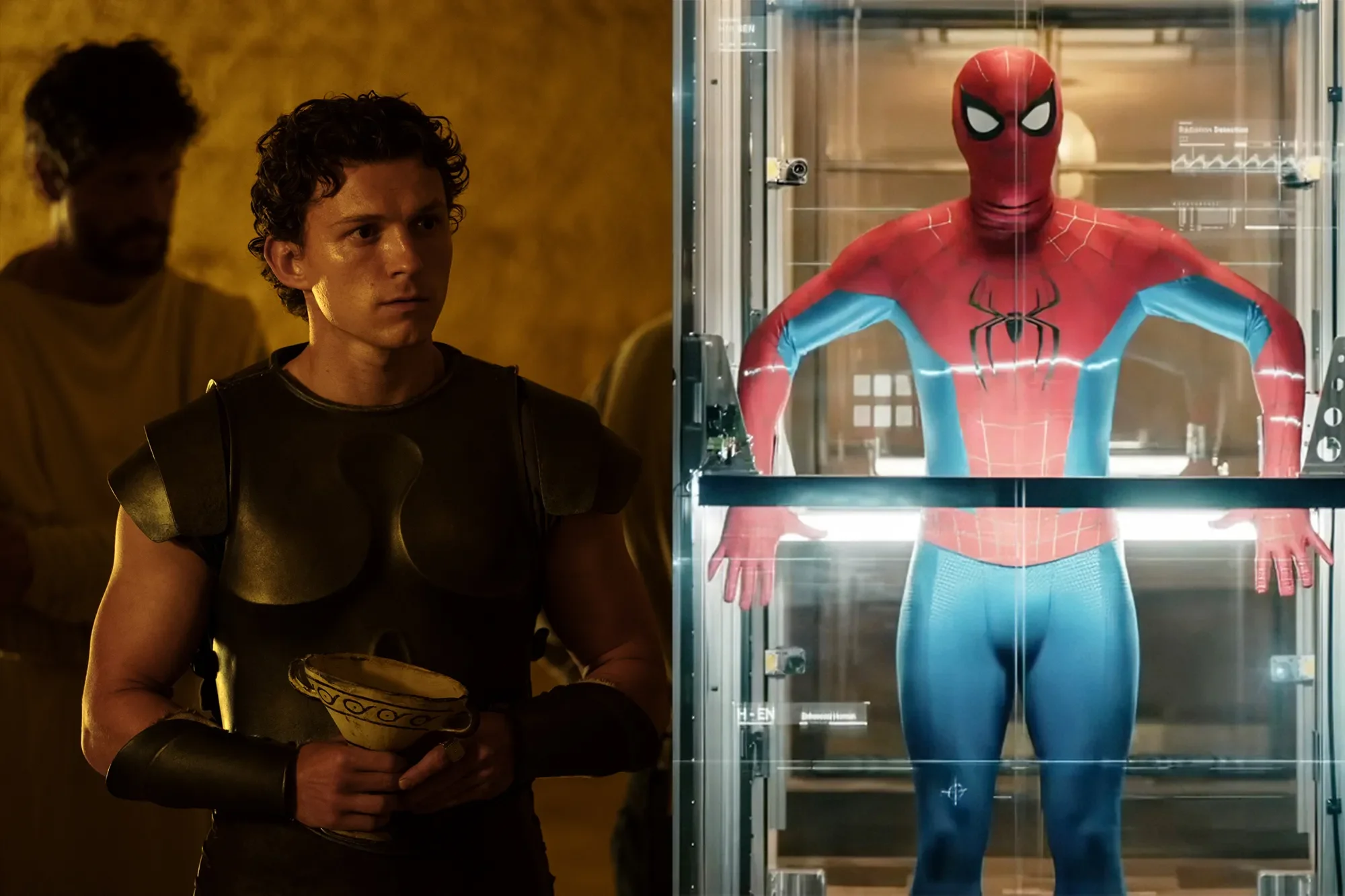
Photo courtesy of Vanity Fair
Beyond The Screen
Looking beyond the headlines to understand why this story matters.
If Hollywood is making money but audiences still aren't returning in the same numbers, what does that mean for the future of cinema?
It suggests that the theater experience has to become more than simply watching a movie.
Today's audiences have more entertainment options than ever before. With streaming services delivering new releases directly into our homes, leaving the couch requires something that cannot be recreated with a remote control. People are not just looking for a film. They're looking for an experience.
That is where film festivals become increasingly important.
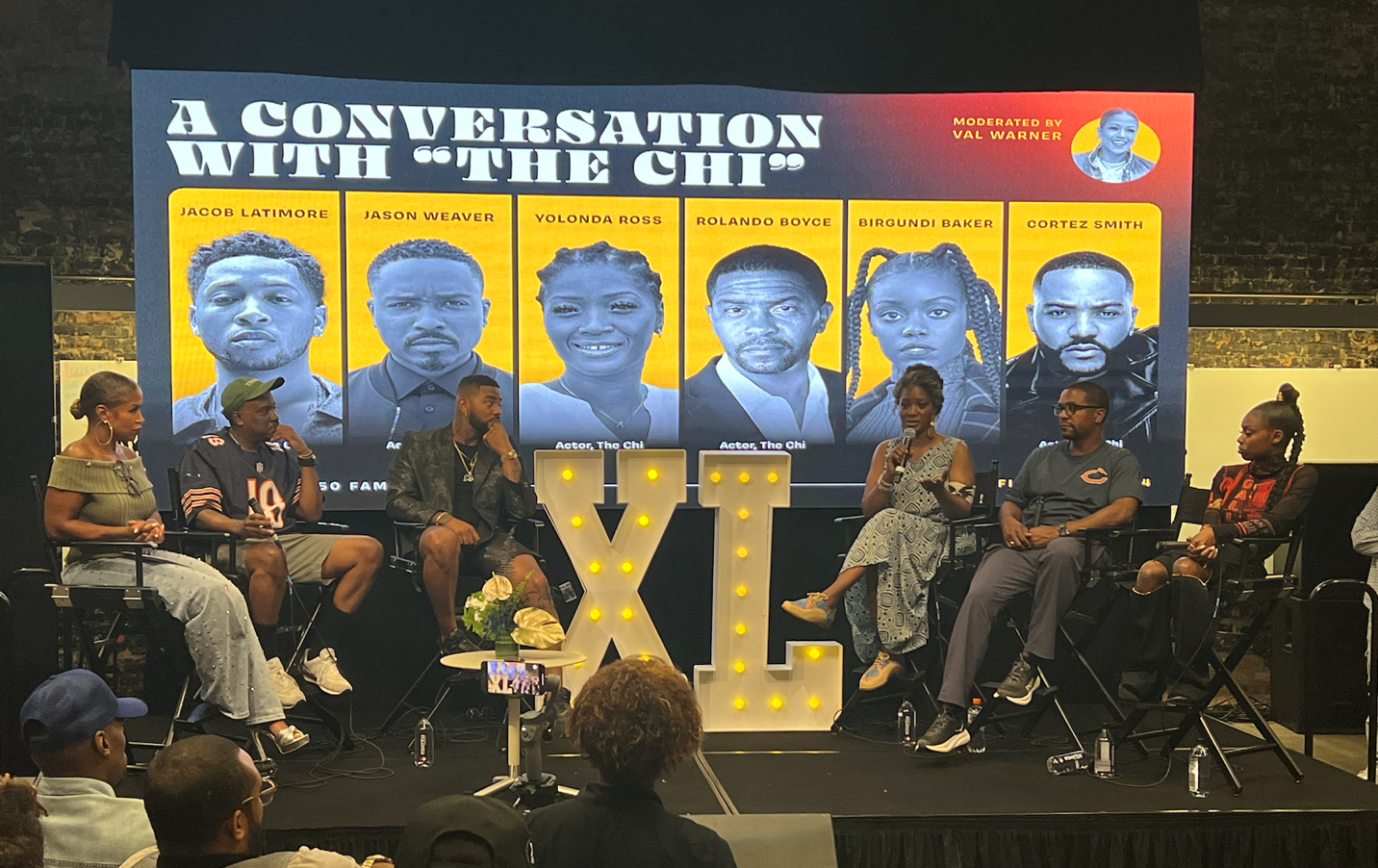
Unlike a traditional trip to the theater, film festivals invite audiences into the creative process. They offer opportunities to hear directly from filmmakers, attend Q&A sessions, participate in panel discussions, build relationships with industry professionals, and discover stories long before they reach a wider audience. The film becomes only part of the experience. The conversations surrounding it become just as meaningful.
The Rylee Report
My perspective on why this story matters to creatives and the future of storytelling.
As XL Film Fest approaches later this month, that distinction matters.
XL Film Fest is not simply another place to watch films. It is a space where emerging filmmakers stand alongside established industry professionals, where aspiring creatives can learn from working artists, and where audiences can experience stories in the same room as the people who created them.
The current state of the box office suggests that people are still willing to show up for movies, but they are becoming more selective about what earns their time and attention. Film festivals like XL Film Fest answer that challenge by offering something streaming never can: connection.
In a time when movie theaters are redefining what it means to bring audiences together, film festivals are proving that the future of cinema is not built on ticket sales alone. It is built on community, conversation, and the shared experience of storytelling.
As the industry continues to evolve, perhaps the question is not whether people still love movies.
It is whether we are giving them enough reasons to leave home and experience them together.